7 Reasons A Doi Pui Summit Hike Beats The Usual Tour
A doi pui summit hike gives you a very different Chiang Mai day from the usual van stop, photo, coffee, back to town routine. You start under tall trees on Doi Suthep, hear cicadas warming up, smell damp leaf litter and resin, and then the climb begins to bite your calves in the only honest way a mountain can.
TMT knows this mountain from the old footpaths, not just the road that curls around it. That matters. A good guide does more than point uphill. A good guide knows when the air turns cooler near the ridge, where the ground stays slick after rain, and how to pace the climb so you still enjoy the summit instead of staring at your shoes.
If you are comparing hikes near Chiang Mai and wondering if Doi Pui is worth your day, this guide should help. It covers what the trail feels like, who it suits, when to go, and why walking with a mountain team changes the whole experience.
Why A Doi Pui Summit Hike Feels Like Real Chiang Mai
Doi Pui stands behind the city like a quiet older brother to Doi Suthep. Most visitors see the mountain from below and never walk into it. Once you leave the road and step onto the forest trail, Chiang Mai falls away fast.
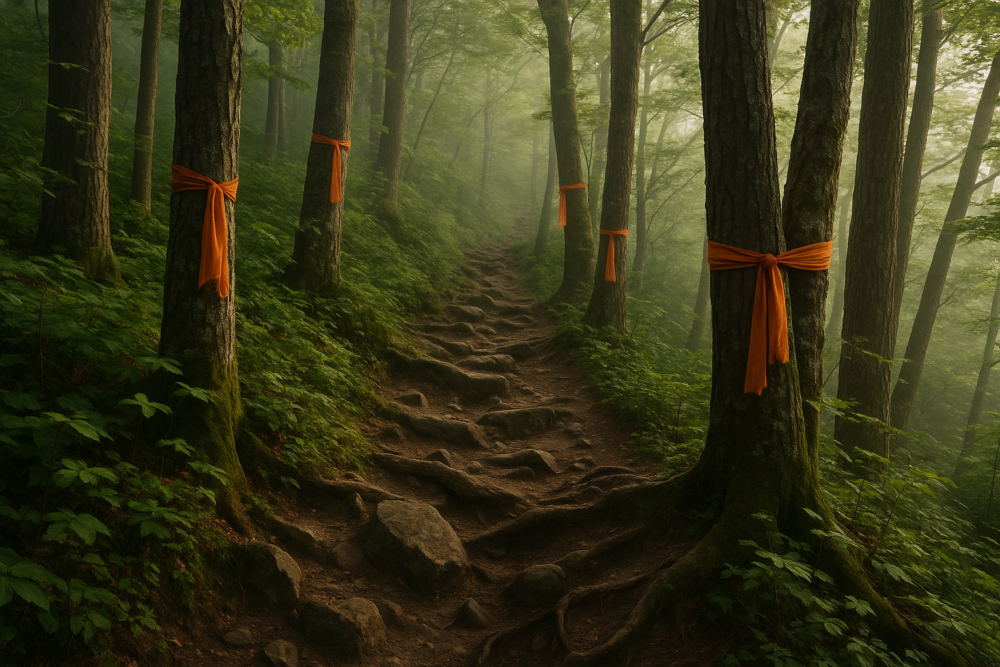
The first part often passes through the same mountain zone that leads toward Wat Pha Lat and the Monk’s Trail. Then the route grows quieter. The temple sounds fade. The dirt gets rougher, the shade gets deeper, and you begin to feel why this hill range has drawn walkers for years.
On clear mornings after the rains, the light through the trees has that washed clean look you only get in October and November. In the hot season, the climb feels sharper by mid morning. You want an early start, water, and no illusions.
1 The Climb Is Hard Enough To Feel Good
Some day hikes near Chiang Mai are pleasant walks. Doi Pui asks a bit more from you. That is part of the appeal.
You climb for long stretches, then get short relief on gentler ground before the trail kicks up again. Your breathing settles into a rhythm. Your legs complain, then adapt. If you enjoy earning a summit, this mountain makes sense.
You do not need to be an athlete. You do need a basic level of fitness and a willingness to keep moving uphill in heat and humidity. TMT guides handle this well because they read the group and set a pace that works in real conditions, not on paper.
2 The Forest Changes As You Gain Height
The mountain does not look the same all the way up. Lower down, the air feels thicker and warmer. Higher up, the breeze starts to move through the trees and the sound changes with it.
In green season, the trail can smell of wet earth and crushed fern. Leeches can appear then, especially in damp sections, and any guide who tells you otherwise has not spent much time out there. They are a nuisance, not a crisis, and simple clothing choices help.
In cool dry season from November to February, the hike is more comfortable and the trail is usually easier underfoot. That is why these months book fast for walkers and trail runners.
3 You See More Than The Road Ever Shows You
Many visitors know Doi Suthep from the temple road. Walking the mountain reveals a different scale. You notice contour, old forest, stream lines, and the way the ridge pulls you away from the city without needing great distance.
If you want more background on walking this mountain rather than driving it, read Doi Suthep Hiking Trail. It explains why the foot approach changes your whole sense of the place.
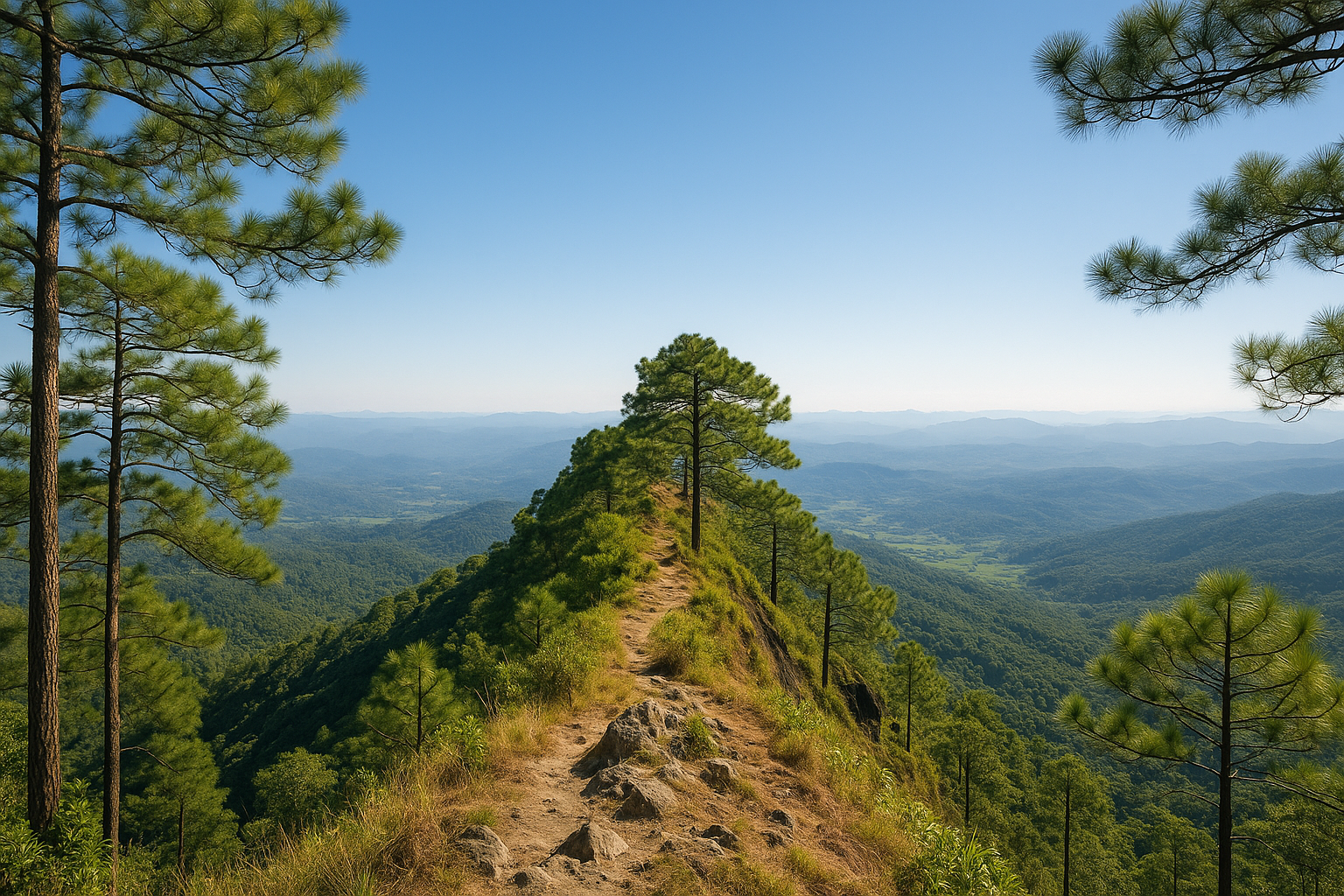
At the right point, you stop for water, look back through a break in the trees, and see Chiang Mai spread out in the basin below. Early light is best. Afternoon haze can flatten everything, especially during smoke season from roughly February to April.
4 A Guide Makes The Day Better And Safer
There is a reason strong walkers still book guided hikes. Trail finding in these hills is not always obvious, weather shifts matter, and a local mountain team knows the difference between a path that looks right and one that is right.
TMT spent years researching old hill paths across northern Thailand and later created TMT01, the first long distance hiking route in Thailand from Chiang Mai to Chiang Dao. That work shapes every day trip they run. You feel it in the route choice, pacing, and the small decisions that keep a mountain day smooth.
If you are weighing guided versus solo hiking, this guide to guided hiking tours in Chiang Mai lays out the real tradeoffs clearly.
5 It Is A Smart First Step Before A Bigger Trek
A doi pui summit hike is one of the best ways to test how you feel on Chiang Mai terrain. If your plan includes a village stay in the Mae Taeng valley, a longer route near Samoeng, or part of the TMT01 line toward Chiang Dao, this day tells you a lot.
You learn how you handle heat, steep climbs, and trail shoes on rough ground. You also learn whether you want another day out, or two, or five. Many guests start with Doi Pui and then ask about mountain village nights once they see what the hills are really like.
For a broader look at route options, TMT has a useful guide to the best hikes and treks in the Chiang Mai area.
À quoi s'attendre sur le sentier
Heat And Humidity
From March to May, the hot season can feel blunt and heavy even in the shade. Start early. Wear light clothing, carry enough water, and expect to sweat from the first climb.
Rain And Leeches
From June to October, the hills turn lush and green. Trails can be muddy and slick. Leeches are part of the deal on some days, mostly in damp forest sections.
Views And Air Quality
October and November often bring the greenest hills and the clearest views. Smoke season can affect northern Thailand from roughly February to April, so summit days then depend more on daily conditions than hope.
Who This Hike Suits Best
- Active couples who want a real mountain day close to Chiang Mai
- Solo travellers who prefer a small group and a guide who knows the route
- Families With Older Children who already enjoy uphill walks
- Trail runners using the route as a strong climbing session on forest terrain
If you want a very gentle walk, choose another route. Huay Tueng Tao, Bua Tong sticky waterfalls, or parts of Mae Kampong may fit better. If you want a stronger effort with a proper summit feel, Doi Pui is a good call.
Beyond Doi Pui What Comes Next
Once you have climbed Doi Pui, bigger ideas tend to arrive on their own. Guests ask about Doi Inthanon, Kew Mae Pan, Pha Dok Siew, and the ridges near Doi Chiang Dao. Some move straight to a multi day trek with nights in Karen, Lahu, Hmong, or Lisu villages, where dinner comes from a simple kitchen and tastes better than it has any right to after a long day on foot.
A bowl of soup, rice, a chilli dip, maybe an omelette, the sound of cooking, dogs settling outside, mist coming in after dark. This is where TMT stands apart from operators who sell trekking like a checklist. The team built their reputation in these mountains by walking them, returning, and learning the footpaths properly.
If you are thinking beyond a day hike, read 5 Days On Foot From Chiang Mai To Chiang Dao and the overnight trek Chiang Mai visitors never forget. Those pages show what opens up once you leave the road behind for longer.
Is It Worth Booking With TMT
Yes, if you care about the route, the guiding, and the feel of the day. TMT is not trying to move the largest number of people up a mountain. The team runs small groups, guided day treks, village based multi day treks, and trail running trips with local knowledge that only comes from years on these trails.
You can also look at what Chiang Mai trekking prices actually include before you compare options. Cheap tours often leave out the things that matter most once you are in the hills.
Plan Your Doi Pui Day Or A Bigger Mountain Trip
If a doi pui summit hike sounds like your kind of day, have a look at TMT trekking and trail running trips and send the Chiang Mai team your dates. They can help you choose a route that fits your fitness, the season, and how much mountain time you want.
Small groups work better on these trails, and nights in mountain villages depend on local space and timing. If you already know your travel window, get in touch early and ask what is possible.