7 Truths About Hill Tribe Trekking In Chiang Mai
Hill tribe trekking in Chiang Mai makes sense when you want more than a quick walk to a waterfall and a photo on a bamboo bridge. You come here for real mountain paths, long climbs, village evenings, and the feeling that the city has dropped far behind. TMT built its routes by spending years on old footpaths between Chiang Mai and Chiang Dao, and you feel that difference under your boots from the first steep step.
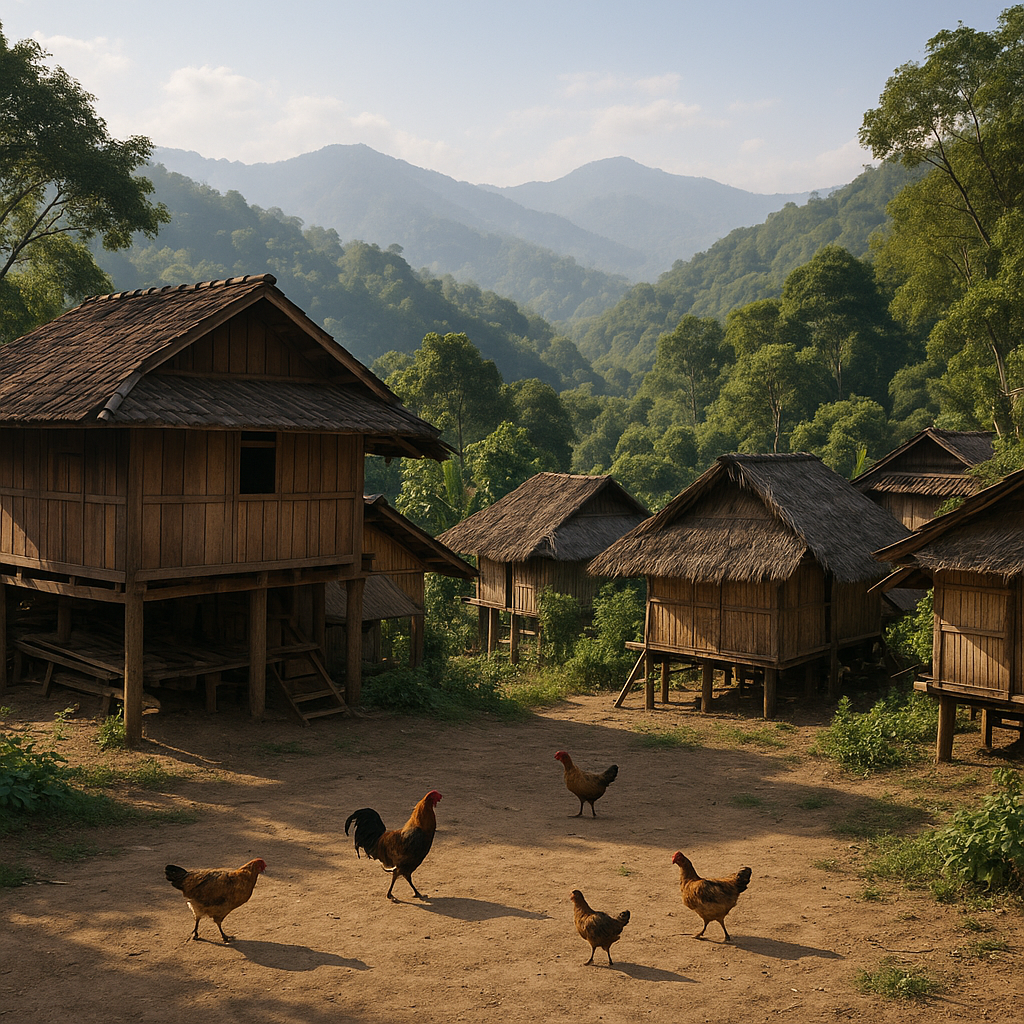
At dawn on Doi Pui, the air can smell of wet leaves and wood smoke. By late morning in the Mae Taeng valley, your shirt sticks to your back and your calves start a quiet protest. Then evening comes, rice and chilli paste hit the table in a Karen village, and the day suddenly feels like a very good idea.
1 Hill Tribe Trekking In Chiang Mai Means Real Mountain Walking
Some walks near Chiang Mai are easy and short. The Monk’s Trail to Wat Pha Lat gives you forest shade close to the city, and the track near Huay Tueng Tao suits a light morning out. Those are good days, but they are not the same as a proper mountain trek.
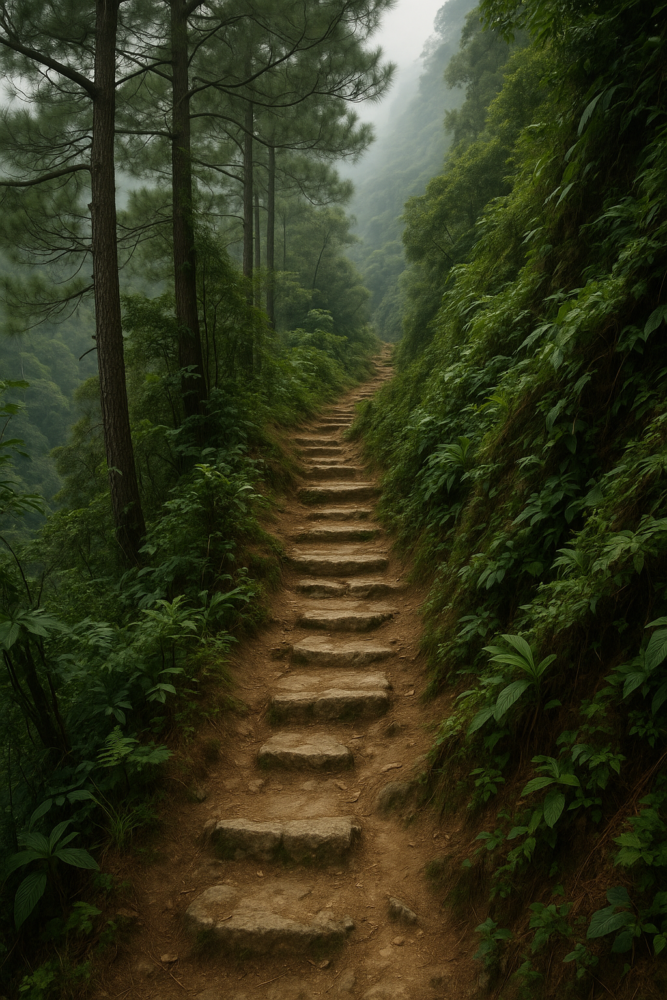
TMT takes you onto older paths used for travel between villages and ridges. You walk through bamboo, dry forest, and farm edges, then drop into valleys where streams cut the trail and mud grabs at your shoes in green season. If you want a fuller picture of route styles, read The Best Hikes And Treks In The Chiang Mai Area.
2 The Best Treks Start Away From The Crowds
You will see plenty of day tours sold around the Old City. Many use the same roads and the same short sections of trail. That works if your goal is a quick outing before dinner back in town.
TMT works in the hills between Chiang Mai, Samoeng, Mae Kampong, Mae Taeng valley, and north toward Chiang Dao. Their work on TMT01, the first long distance hiking route in Thailand, came from patient local research rather than a van stop and a signboard. If you want a closer look at how a full mountain day unfolds, see A Real Jungle Trek Chiang Mai Adventure, Hour By Hour.
3 You Need To Be Honest About Heat And Fitness
Chiang Mai looks gentle on a map. The mountains are not gentle when the trail points straight up through dry leaves at 11 am. In hot season from March to May, even fit hikers can struggle if they start too hard or drink too little.
The cool dry season from November to February is easier for most people. October and November often give the clearest views and the greenest hills. Green season from June to October brings rich forest, cloud, and leeches, which are unpleasant but normal and manageable.
Smoke season can affect northern Thailand roughly from February to April. If clear air matters to you, ask before you book. TMT can tell you what the current conditions look like on the ground, which matters more than a neat sentence on a sales page.
4 A Village Night Changes The Whole Trek
A day hike shows you the landscape. A night in a mountain village lets you feel the rhythm of the place after the walking stops. You wash, sit down, hear dogs bark somewhere in the dark, and watch the last light fade from the ridge.
In Karen, Lahu, Hmong, and Lisu communities around these mountains, village stays are part of real local life. TMT approaches those stays with respect and long ties to the area. Dinner is often simple and excellent: rice, vegetables, herbs, soup, eggs, maybe chicken, and chilli that reminds you this is Thailand.
If you are comparing a quick trek with a longer route, read The Multi Day Trek Chiang Mai Regulars Keep Quiet About. That is where many people stop shopping around and start checking their calendar.
5 The Famous Trails Are Good But They Are Only Part Of The Story
Doi Inthanon deserves its reputation. Kew Mae Pan and Pha Dok Siew give you cool air, strong views, and well known paths that work well for many visitors. If you have only one day, these areas can be excellent.
Then there is Doi Chiang Dao and the mass of Doi Luang Chiang Dao, where the mountain feels bigger, sharper, and more serious. Up there, the light at first sun can hit the limestone faces in a way that makes everyone go quiet for once. TMT also runs trail running trips, which suit strong runners who want to cover more ground on these mountain routes without turning the day into a race.
If you like mountain goals, browse Thailand’s Highest Mountains. It gives useful context for what makes northern Thailand such a strong place to hike and run.
6 A Good Guide Matters More Here Than On Easier Trails
Near the city, you can walk to Wat Pha Lat or around Bua Tong sticky waterfalls with little stress. In the deeper hills, a missed turn can cost you hours, especially where old paths split near farms or disappear into grass after rain. The map on your phone may look confident right up to the point it becomes nonsense.
TMT guides know the ground because they spend time on it. They know where a ridge catches wind, where a stream crossing changes after a storm, and which village path dogs dislike after dark. That kind of knowledge feels plain until the day gets hot, slow, and complicated.
If you are weighing solo plans against hiring a guide, start with Guided Hiking Tours In Chiang Mai Vs Going It Alone. Then read 7 Signs You Found The Best Trekking Company In Chiang Mai before you hand over your dates.
7 The Right Trek Is The One That Fits Your Trip
You do not need to be an ultra runner to enjoy these mountains. You need suitable shoes, a decent attitude, and a route that matches your fitness and your time. TMT runs guided day treks, longer village based routes, and trail running trips for stronger movers who want to spend their holiday on single track rather than in a minibus.
Many couples choose a private trek because it gives them a steady pace and more space on the trail. Solo travellers often join a small group and find that shared climbs produce fast friendships. Families with active older children can also do well on the right route, as long as everyone understands that hills are part of the deal.
What To Ask Before You Book
- Season and expected weather for your dates
- Daily effort including climbs, heat, and trail conditions
- Village night details such as sleeping setup and food
- Transport time from Chiang Mai to the trail start
- Guide ratio and group size
If you want to see what is happening through the year, check Events. It is also a good place to get a feel for TMT as a mountain company rather than a shopfront selling whatever leaves at 9 am.
Why TMT Stands Out In Northern Thailand
TMT knows these mountains in a way that is hard to copy. The company spent years researching old hill paths and linking them into TMT01 from Chiang Mai to Chiang Dao. That work tells you a lot about how they think: careful, route led, and focused on the mountain rather than the easy sale.
You feel that on the trail. Starts are smoother, pacing is smarter, and the route has a shape to it. You are not just filling time until lunch. You are moving through northern Thailand with people who know why this ridge matters and where that path goes after the next stand of bamboo.
Plan Your Dates With TMT
If hill tribe trekking in Chiang Mai sounds like your kind of trip, look at TMT trekking and trail running options and get in touch with the team in Chiang Mai. Tell them when you plan to visit, how much walking you want, and whether you want a day hike or a village based trek. Small groups make the experience better, and nights in mountain villages depend on local capacity, so it is worth asking early.
The right trek leaves you tired, dusty, hungry, and very pleased with yourself. TMT can help you find that route.