7 Reasons A Multi Day Trek Chiang Mai Beats A Day Hike
If you are searching for a multi day trek Chiang Mai, you are probably asking one simple question. Is it worth giving several days of your trip to the hills above Chiang Mai and Chiang Dao? After years on these paths, the short answer is yes, if you choose the right route and the right mountain team.
Thailand Mountain Trail did not pull routes from a map and call it adventure. The team spent years walking old footpaths used by Karen, Lahu, Hmong and Lisu communities, then built TMT01, the first long distance hiking route in Thailand, linking Chiang Mai to Chiang Dao through real mountain country.
A day hike on Doi Suthep can be excellent. A few days on the trail changes the pace in your body and your head. You leave the traffic behind, smell wet leaves and wood smoke at dawn, and sit down to dinner in a mountain village when your legs have done honest work.
Why A Multi Day Trek Chiang Mai Feels Different
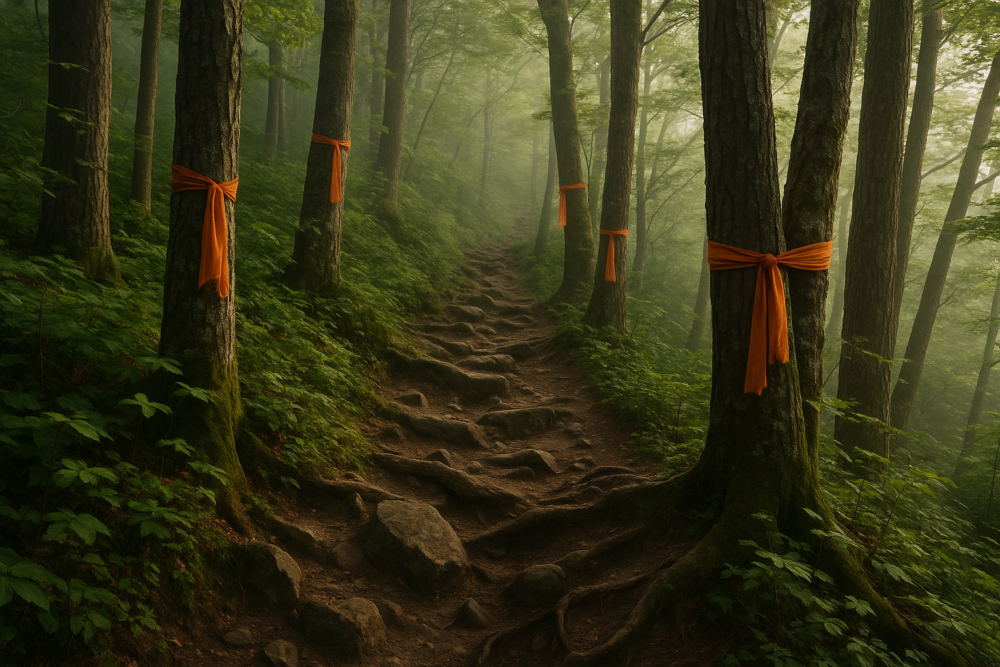
On the first morning, the city is still close. Then the path turns into forest, the air cools under bamboo, and you hear your own steps instead of scooters. By the second day, you wake before sunrise because roosters beat your alarm and mist hangs low over the ridges.
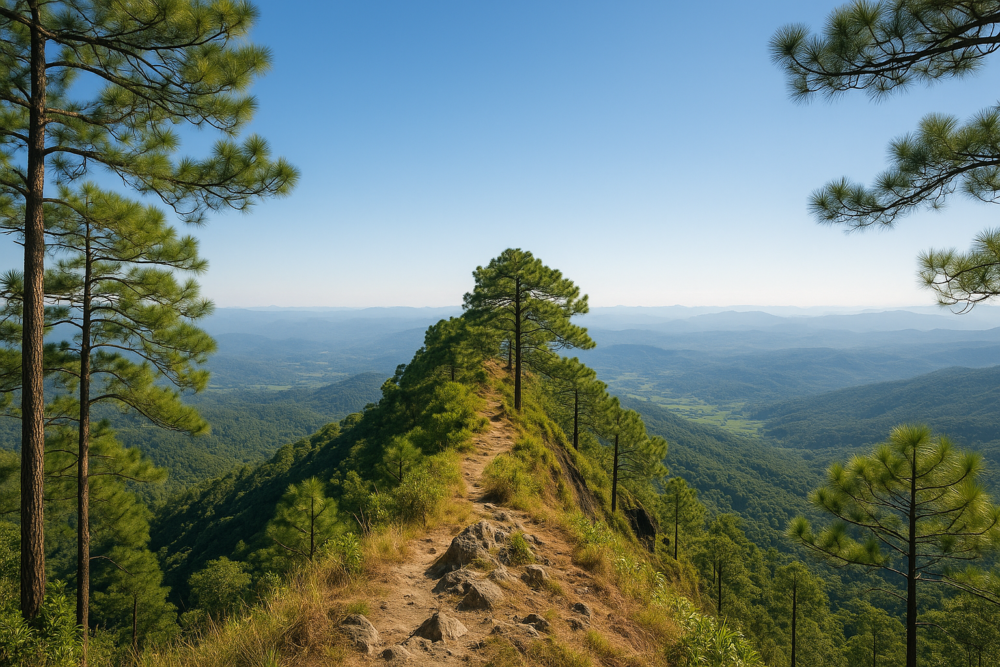
The difference is not only distance. A multi day trek Chiang Mai gives you time to move through several landscapes, from lower farm hills to deep forest and high viewpoints near Chiang Dao. You notice small things on foot, the smell of pine on a dry ridge, damp soil after night rain, the rough pull in your calves on a steep climb.
TMT knows these transitions better than anyone selling treks from a hotel desk. The routes come from long field research, not from quick loops made to fit a brochure. If you want to compare ideas first, start with The Best Hikes And Treks In The Chiang Mai Area.
1 You See More Than The Usual Tourist Trails
Most visitors know the Monk’s Trail to Wat Pha Lat, maybe Doi Pui, maybe a day at Doi Inthanon. These are fine walks. They are also only the edge of what the mountains hold.
TMT routes move beyond the common half day pattern. You may pass ridge paths above the Mae Taeng valley, farm tracks near Samoeng, and village links that still make sense only on foot. This is the kind of ground where a guide needs memory, judgment and local relationships.
2 Village Nights Change The Whole Trip
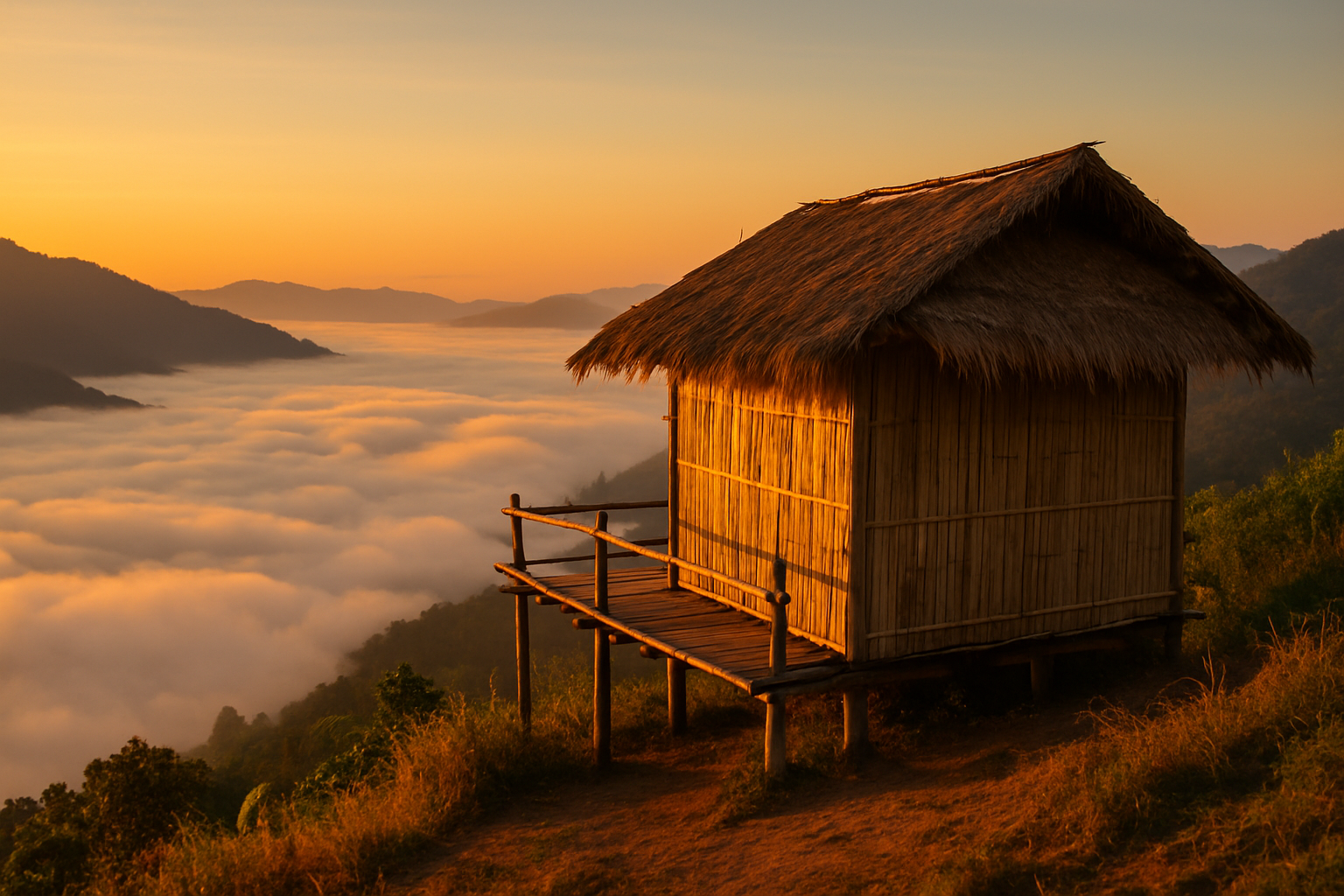
A night in a mountain village slows everything down. You wash trail dust off your face, sit for dinner, and hear dogs bark at the edge of the fields while the light goes soft over the hills. Rice, soup, chilli, vegetables and simple local dishes taste better after a long climb. That is a law of nature.
These nights matter because they connect the trail to the people who live there. TMT works in mountain areas where Karen, Lahu, Hmong and Lisu communities know the land in a daily way. Respect is part of the trek, not an extra.
3 The Hard Parts Make The Good Parts Better
Chiang Mai hills are not gentle. Some climbs go straight up through dry leaf litter, and your shirt will be wet before mid morning in hot weather. In green season, the trail can be slick and leeches may join the group without an invitation.
This honesty matters when you book. TMT guides tell you what the route asks from your legs and lungs, then match the trip to your fitness and time. You do not need to be an elite runner, but you should enjoy walking for hours and climbing steadily.
What Usually Feels Hard
- Heat And Humidity in the lower hills, especially from March to May
- Steep Climbs on old village paths and ridge trails
- Wet Ground and leeches from June to October
- Smoke in parts of northern Thailand from roughly February to April
If you want a useful season guide before picking dates, read Sporting Holidays In Thailand Climate And Seasons.
4 The Best Season Depends On What You Want
The cool dry season from November to February is the easiest for most hikers. Mornings can feel crisp in the hills, afternoons are easier to manage, and the sky is often clear. October and November often give the best mix of green hills and long views.
The hot season from March to May asks more from you. Early starts help, and shaded forest sections feel like a gift. The green season from June to October brings lush slopes, flowing streams and cloud moving around the ridges, but you need to accept mud and wet feet with good humour.
5 TMT01 Gives You A Real Point To The Journey
Many treks are loops. TMT01 feels like a crossing. You move north from Chiang Mai toward Chiang Dao, following a route built from old mountain paths that connect landscapes and communities with a logic older than tourism.
That sense of travel matters. Each day carries you somewhere, and the mountains start to join together in your mind. By the time Doi Luang Chiang Dao rises ahead in sharp grey walls, you know you have earned the view.
If you are curious about the bigger mountain picture in the region, see Thailand’s Highest Mountains. It gives good context for trekking around Doi Inthanon and the high ridges of northern Thailand.
6 You Can Match The Trek To Your Style
Not everyone wants the same pace. Some guests want a steady hiking trip with long lunches and village evenings. Others arrive with trail shoes and ask for a route that covers ground faster and puts more climb into the day.
TMT runs guided day treks, multi day treks and trail running trips. That matters because the team can shape the trip around your days in Chiang Mai, your fitness and the season. Active couples, solo hikers and families with good energy all need a different rhythm.
Popular Planning Questions
- How fit do you need to be? Comfortable with several hours on uneven trail and steady uphill walking.
- Is it safe? With an experienced local mountain guide and a route suited to conditions, yes.
- Is it worth the money? If you want more than a quick viewpoint stop, very often yes.
For ideas that feel close to what local hikers choose, read Trekking Tours In Chiang Mai That Locals Actually Take.
7 A Good Guide Changes Everything
A map can show a line. It cannot show where the path washes out after heavy rain, which ridge holds shade late into the morning, or which village expects visitors on a certain route. That knowledge comes from time on foot, season after season.
TMT guides know these hills from the inside. They know the route choices around Doi Suthep and Mae Kampong, the flow of the land near Huay Tueng Tao and Bua Tong sticky waterfalls, and the longer mountain logic that leads toward Chiang Dao. That depth gives you confidence when weather changes or your legs have a slow day.
The same local knowledge matters on classic walks such as Kew Mae Pan and Pha Dok Siew in the Doi Inthanon area. Good mountain days look simple from the outside. They rarely are.
How To Choose The Right Trek In Northern Thailand
Start with your available days. If you only have one free day in Chiang Mai, choose a strong day hike and leave happy. If you can spare several days, take them. The deeper mountain experience begins when you stop watching the clock.
Then look at season, fitness and your real interests. If you want cool mornings and easier walking conditions, aim for November to February. If you want green hills and can accept wet trails, June to October can be beautiful.
If running is part of the reason you travel, check TMT Events and ask about trail running trips in the Chiang Mai hills. The terrain around Chiang Dao and the mountain routes north of the city can turn an ordinary training week into something much better.
Ready To Plan Your Trek
A multi day trek Chiang Mai gives you more than exercise. It gives you mornings in cool forest, afternoons on ridges above northern Thailand, and evenings in mountain villages where the food lands on the table just when you need it most. You come back to Chiang Mai tired, cleaner in the head, and usually already thinking about the next route.
Take a look at TMT trekking and trail running trips, then get in touch with the team in Chiang Mai to plan your dates. Group sizes stay small, village stays depend on local capacity, and the best windows in the season fill first. If you want the mountains done properly, ask early and let TMT point you to the right trail.