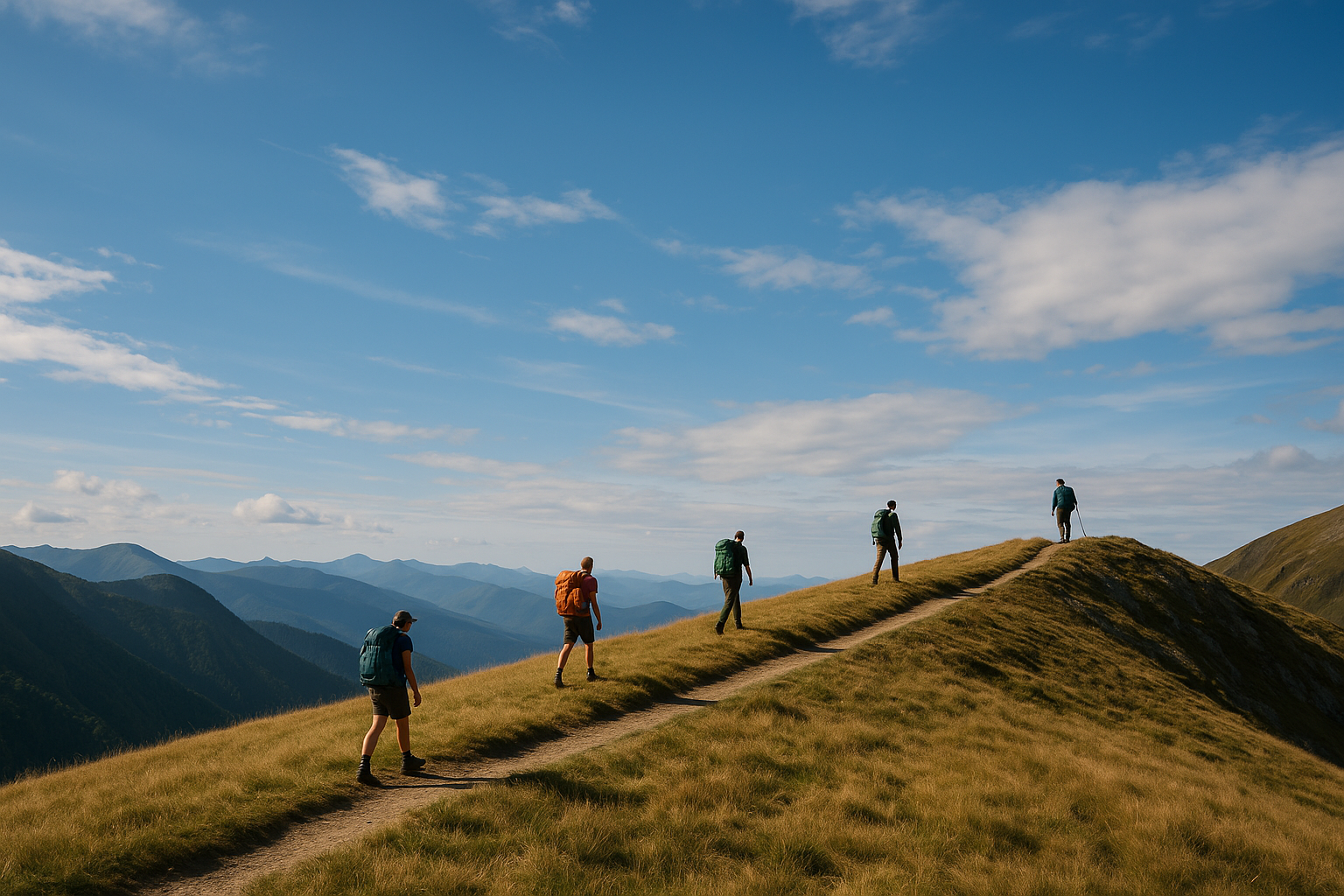
7 Small Group Trekking In Thailand Truths To Know
Small group trekking in Thailand sounds simple when you read a tour page. Then the real questions start. Will it be too hot, too hard, too crowded, too slow, or just another minibus day dressed up as a hike?
In Chiang Mai, those questions matter. A good trek can put you on old footpaths above the Mae Taeng valley at first light, with wood smoke in the air and wet leaves under your boots. A bad one can leave you shuffling behind twenty strangers on a road near a souvenir stall.
Thailand Mountain Trail, or TMT, built its reputation the slow way. The team spent years tracing old paths used by Karen, Lahu, Hmong, and Lisu communities, then linked them into TMT01, the first long distance hiking route in Thailand from Chiang Mai to Chiang Dao.
If you want the short version, 7 Signs You Found The Best Trekking Company In Chiang Mai gives you a good filter. This guide goes deeper, with the details you need before you book.
Why Small Group Trekking In Thailand Works Better In Chiang Mai
Small groups move well in the mountains. You spend less time waiting at road crossings, lunch stops, and village edges. You hear the guide, ask questions, and keep a walking pace that feels human.
That matters on trails around Doi Suthep, Doi Pui, Samoeng, and Chiang Dao. Paths twist through bamboo, teak, pine, and farm edges. A guide needs to read the ground, the weather, and the group, not just follow a printed route.
TMT focuses on the mountain side of Chiang Mai. The team knows where dawn fog sits, where the clay gets slick after rain, and which ridges catch the first cool wind after a hard climb. You feel that experience in the quiet choices, not in loud sales talk.
1 The Best Treks Use Real Trails, Not Shortcuts By Road
TMT01 says a lot about how TMT works. Instead of repeating the same easy route near town, the team linked old mountain paths from Chiang Mai to Chiang Dao into one long line on foot.
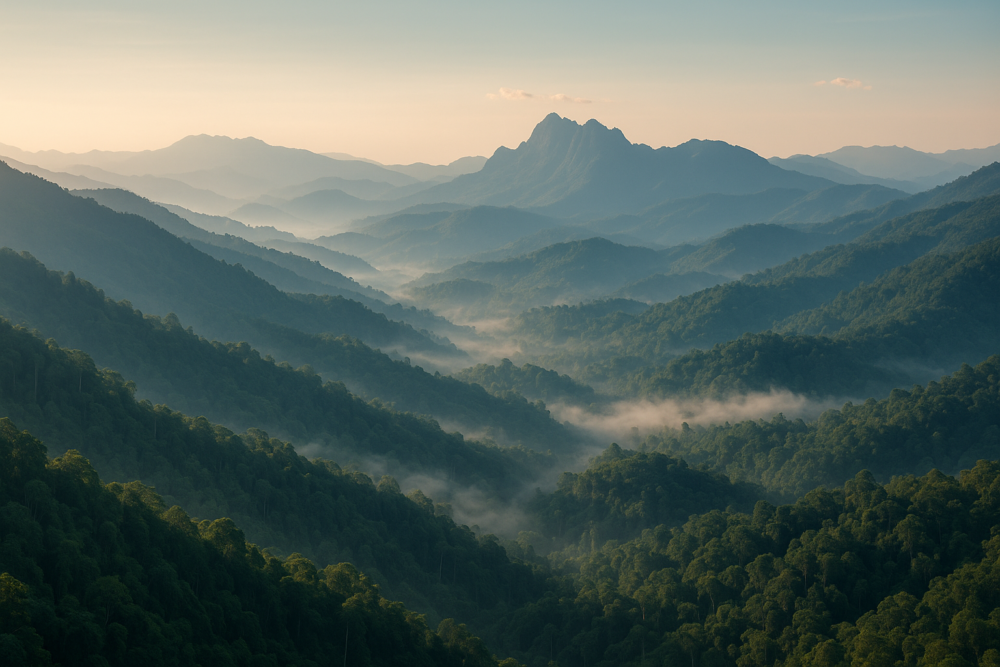
That means you walk through country that still feels joined by trails. One morning you may leave a village with dogs barking behind you, climb through shade, and come out on a ridge with Doi Luang Chiang Dao standing pale in the distance.
If that idea pulls at you, read 5 Days On Foot From Chiang Mai To Chiang Dao. It shows what a point to point trek in northern Thailand can feel like when the route has been built with care.
2 You Need Honesty About Heat, Hills, And Leeches
Chiang Mai is not alpine Europe. From March to May, heat builds fast and the afternoon can feel heavy even in the trees. In the green season from June to October, the hills turn rich and bright, but leeches can join the party.
Good guides say this plainly. Steep climbs above the Mae Taeng valley or on routes toward Chiang Dao will work your calves and lungs. If you only hear words like easy and scenic, ask better questions.
The cool dry season from November to February suits many walkers best. October and November often give the clearest views with the greenest hills, while smoke can affect northern Thailand roughly from February to April.
For a practical weather read, see Sporting Holidays In Thailand Climate And Seasons. It helps you match your dates to the kind of trek you want.
3 Village Nights Change The Whole Trip
A real overnight trek feels different after sunset. Light fades early in the hills, cooking fires start, and the noise drops. You wash the dust off, sit down, and dinner appears in bowls and plates that taste better than they should after a full day on foot.
In mountain villages around the Chiang Mai region, that often means rice, vegetables, soup, chilli dips, and simple meat dishes, all shared with warmth and respect. The point is not to stare at local life from the outside. You walk in, stay politely, sleep well, and leave lightly the next morning.
The Overnight Trek Chiang Mai Visitors Never Forget explains why one night in the hills can stay with you longer than a week of city sightseeing.
4 Day Treks Still Count If You Want A Real Mountain Day
Not every good trek needs several days. Around Chiang Mai, a strong day on foot can give you forest, views, sweat, and the good kind of tired that makes dinner taste twice as good.
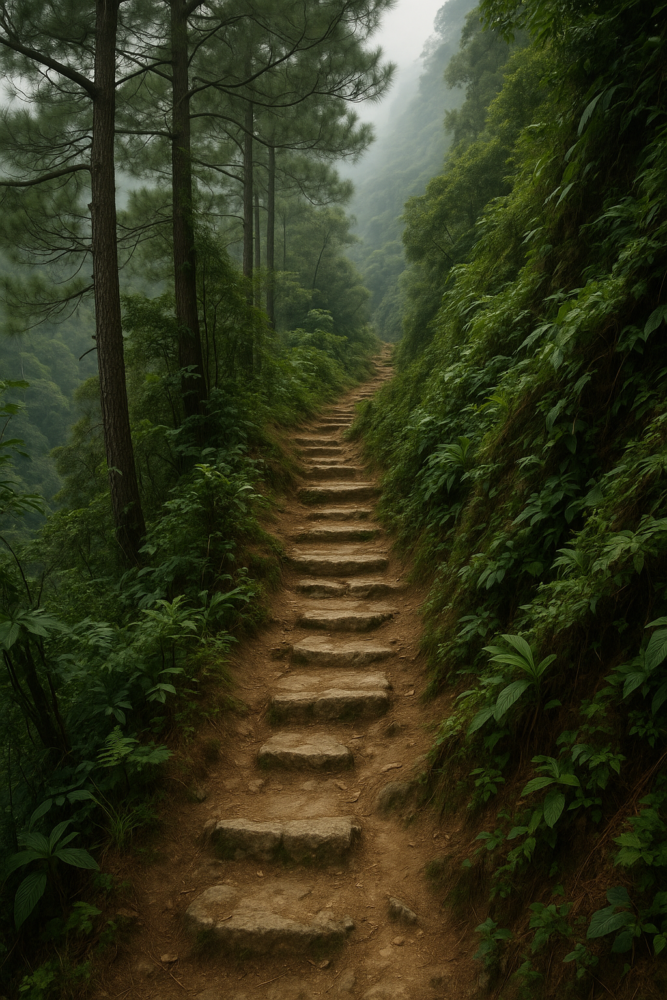
The Monk’s Trail to Wat Pha Lat and onward toward Doi Suthep gives a quick hit of shade, stairs, and city views. Doi Pui adds cooler air and more height. Near Doi Inthanon, routes like Kew Mae Pan and Pha Dok Siew show another side of northern Thailand, with moss, cloud forest, and terraced farms.
If you want ideas before you commit to a longer trip, start with The Best Hikes And Treks In The Chiang Mai Area. You will see the range from half day walks to proper mountain routes.
5 Fitness Matters Less Than Attitude And Pacing
You do not need to be a racer to enjoy these mountains. You need decent basic fitness, shoes that grip, and the sense to walk at your own pace on climbs. Long steps and pride are both poor strategies in the heat.
TMT runs trips for hikers, adventurous couples, solo walkers, active families, and trail runners. The guide adjusts rhythm, breaks, and route choice to the group in front of them. Small groups make that possible.
If you wonder if guided walking is worth it, read Guided Hiking Tours In Chiang Mai Vs Going It Alone. Northern Thailand has trails that look simple on a map and say something else with your feet on the ground.
6 Trail Runners Need Local Knowledge Too
Trail running in Chiang Mai is not just hiking done faster. Heat, water, route finding, and surface changes matter more when you run. A climb that feels steady on foot can empty your legs fast if you charge the first half hour.
TMT runs trail running trips with the same mountain knowledge behind the trekking routes. That helps on steep jungle paths, ridge sections near Samoeng, and bigger mountain terrain toward Chiang Dao and Doi Inthanon. If you like to pin a race or running camp to your trip, check Events.
7 The Right Operator Respects The Mountains And The People Who Live There
Hill paths in northern Thailand are not theme park tracks. They cross working landscapes, village land, forest edges, and old routes that still carry daily life. Respect has to be part of the business model, not decoration on a brochure.
TMT built routes by learning the ground over time and by working in a way that values local communities. If you want a clearer picture of that approach, Hill Tribe Trekking In Chiang Mai Done The Right Way is worth your time.
You can feel the difference in small moments. A guide greets people by name in a village. Lunch happens in a shaded spot that leaves no trace. Nobody rushes you past the best section because the van is waiting at a roadside cafe.
What To Ask Before You Book
- How big is the group? Small groups make pacing, safety, and trail time better.
- How much time is on foot? Some tours use the word trek very loosely.
- Which season suits this route? Heat, rain, and smoke can change the day.
- Where do we sleep and eat? Village nights and simple mountain meals are part of the experience.
- What fitness level do you expect? Ask for an honest answer, not a sales answer.
Why TMT Stands Out In Northern Thailand
Many operators can take you uphill. Few can show you a route they researched over years and turned into the first long distance hiking trail in the country. TMT can.
The team knows the classic places around Chiang Mai, from Wat Pha Lat and Doi Suthep to Bua Tong sticky waterfalls and Huay Tueng Tao. More important, they know the older footpaths between villages and ridges where the mountains still set the pace.
You book for the walking. You remember the smell of wet earth near a stream crossing, the sound of knives on chopping boards before dinner, and the way Doi Chiang Dao catches cold light just after sunrise.
Plan Your Trek Or Running Trip With TMT
If you want small group trekking in Thailand that feels serious, grounded, and worth your time, look at the TMT trekking and trail running trips. Day hikes, overnight village treks, and longer routes all start with the same question: what kind of mountain day do you want?
Get in touch with the team in Chiang Mai and talk through your dates, season, fitness, and how many days you have. Group sizes are kept small, and nights in mountain villages are naturally limited by space and local arrangements. That is a good reason to ask early and plan well.