7 Reasons Homestay Trekking In Chiang Mai Wins
Homestay trekking in chiang mai makes sense when you want more than a quick walk and a photo stop. You leave the road, climb into the hills, and end the day in a mountain village where dinner is hot, the air cools fast, and the dogs settle before you do. That shift from city noise to night sounds is why many people remember the village more than the summit.
TMT knows these routes better than most because the team spent years tracing old footpaths across northern Thailand and building the TMT01 route from Chiang Mai to Chiang Dao. That work matters on the ground. A path can look simple on a map, then vanish into bamboo, wet leaves, or a fork used only by local farmers.
If you are comparing treks and wondering about heat, fitness, safety, and value, this guide will help. I will be direct about the steep climbs, the humid days, and the leeches in green season. I will also tell you why a good village night can make tired legs feel like a fair trade.
Homestay Trekking In Chiang Mai Feels Different On Foot
A homestay trek changes the pace of your trip. You walk through forest and farm land for hours, then arrive in a Karen, Lahu, Hmong, or Lisu village where daily life is still moving around you. You smell wood smoke before you see the houses.
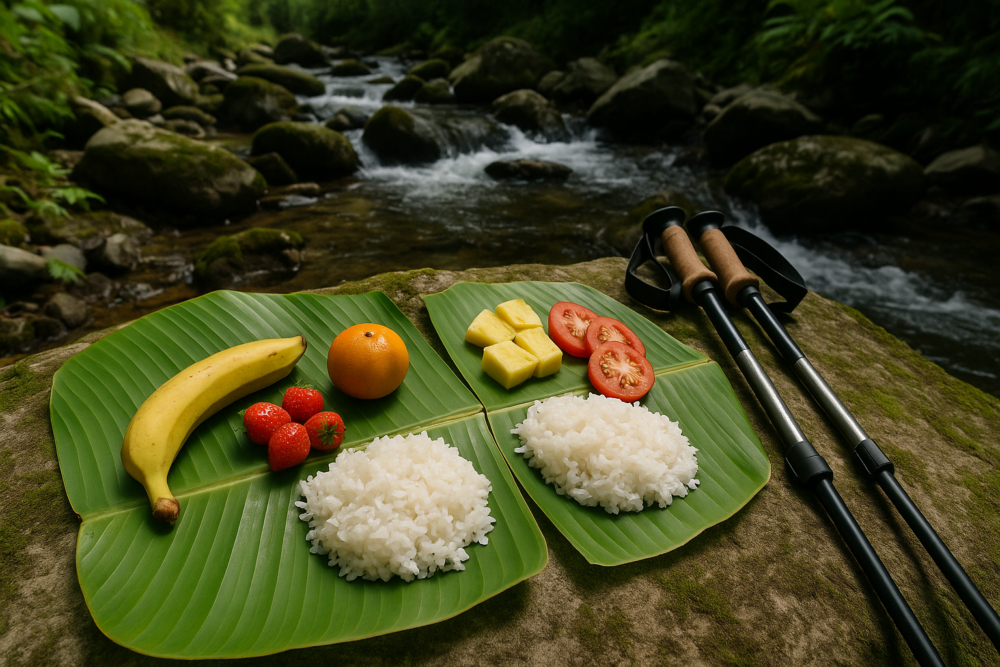
The best evenings are simple. Boots come off at the door, tea appears, and someone starts cooking rice, vegetables, soup, and a chilli dip that can wake up your whole face. If rain came through in the afternoon, your shirt may still be damp while the sky clears over the next ridge.
TMT runs these trips with respect for the communities on the route. The village is not a stage set. You are a guest there, and that changes the tone of the whole trek in the right way.
1 The Trails Reach Places Day Trips Cannot
Many visitors know Doi Suthep, Wat Pha Lat, the Monk’s Trail, Mae Kampong, or Bua Tong sticky waterfalls. These are good places to start. They also show only one layer of Chiang Mai.
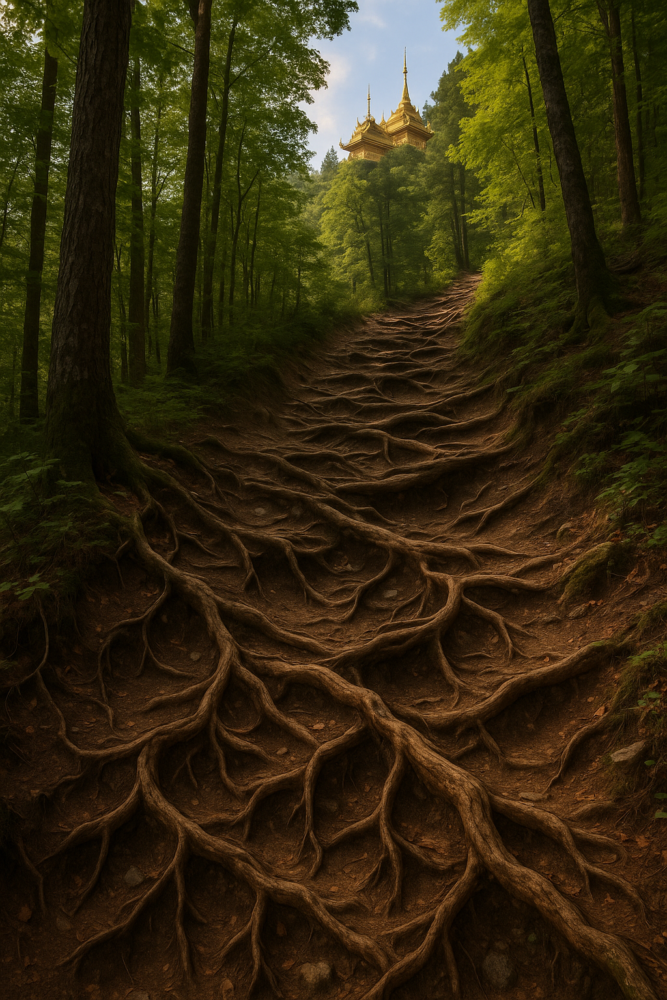
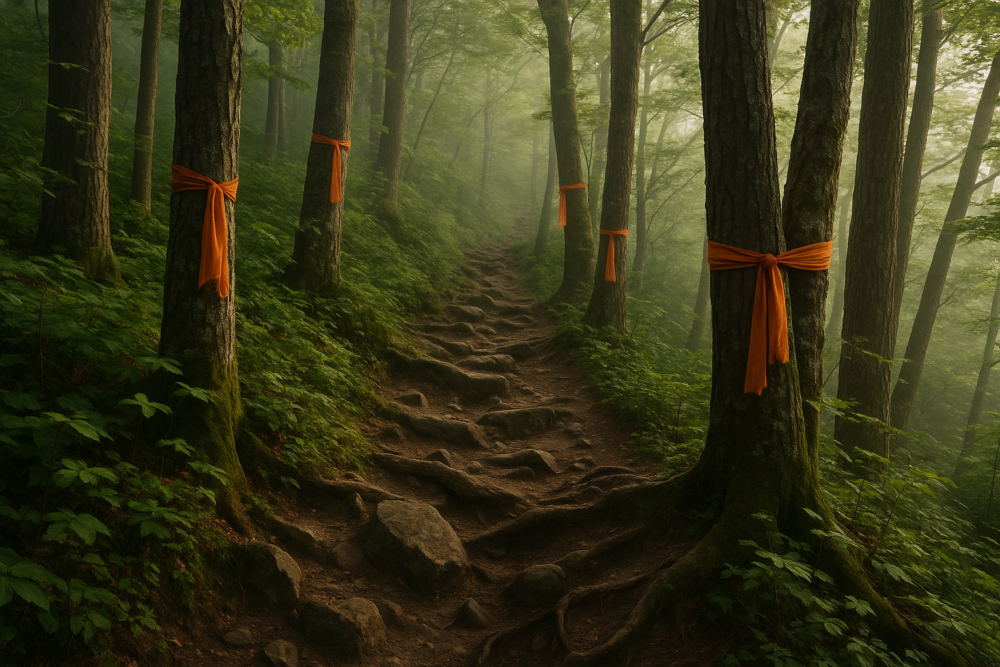
On a proper village trek, you keep going after the view point and after the cafe. You cross ridges above the Mae Taeng valley, pass fields cut into steep hillsides, and hear the change in bird calls as the light drops. By late afternoon your legs are heavy and the village finally appears through fruit trees and smoke.
If you want a wider look at route options, read The Best Hikes And Treks In The Chiang Mai Area. It helps you separate short scenic walks from real mountain days.
2 TMT Built Its Reputation On Real Mountain Knowledge
Plenty of operators sell trekking in Chiang Mai. Very few have spent years researching old hill paths and linking them into a long route that runs from Chiang Mai to Chiang Dao. TMT did that with TMT01, and you feel the difference in how the team plans each day.
A guide with local trail knowledge knows when a climb will drag in hot season, which ridge catches wind in November, and where the clay turns slick after rain. That matters more than polished sales talk. It also matters if you are a trail runner looking for long single track rather than a tourist walk.
You can get the background here in Thailand Has A Long Distance Hiking Trail Nobody Knows. It explains why TMT01 stands out in Thailand.
3 You Get An Honest Trek Instead Of A Packaged Show
Good trekking in northern Thailand stays on foot and keeps the focus on the mountain. TMT does guided day treks, village overnights, and longer journeys without adding side attractions that have nothing to do with walking. That keeps the day clean and the reason for coming clear.
The same applies to group size and route choice. Small groups move better on narrow trail, make less noise in villages, and spend less time waiting at every bend. You can read more in Small Group Trekking In Thailand Beats Big Bus Tours.
For travellers who care about how village visits are handled, Ethical Hill Tribe Trek Chiang Mai Travellers Can Book is worth your time. It sets the right expectations before you lace your boots.
4 The Hard Parts Are Real And Manageable
Chiang Mai is not alpine cold, but the mountains can still work you hard. In hot season from March to May, a climb can feel heavy by mid morning. Humidity rises, your shirt sticks to your back, and the last switchbacks ask direct questions about your fitness.
Green season from June to October brings rich forest, running water, and leeches on some trails. They are unpleasant, not dramatic. A calm guide, long socks, and the right pace solve most problems before they become stories.
Cool dry season from November to February suits many walkers best. October and November often give the clearest views and the greenest hills, while smoke can affect northern Thailand roughly from February to April. For a clear breakdown, see Sporting Holidays In Thailand Climate And Seasons.
5 Village Nights Give You What Hotels Cannot
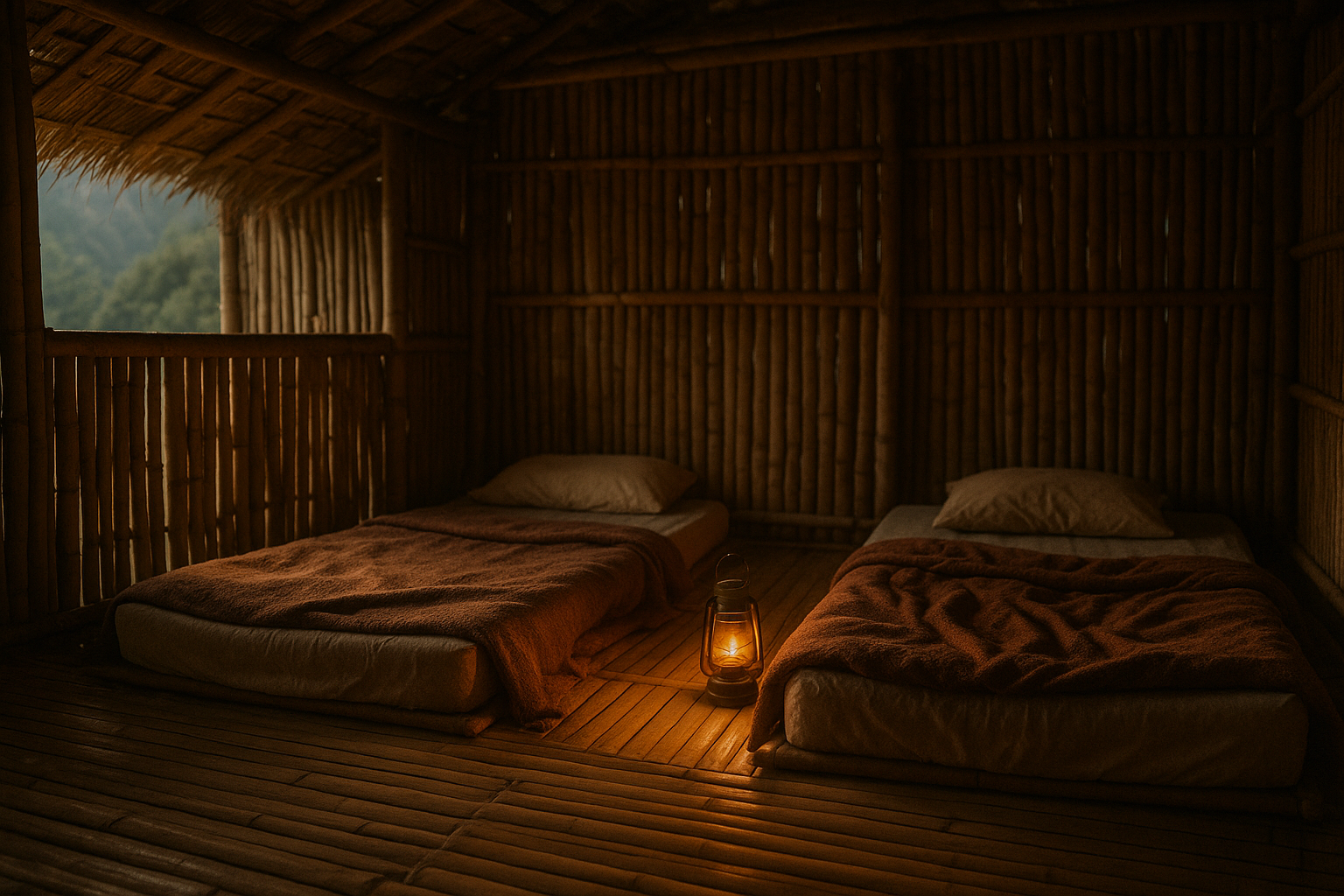
A homestay is where a trek settles into your memory. You wash at the end of the day, sit down with food grown close by, and hear the village quieten after dark. The generator, if there is one, stops. Crickets take over.
At first light, the hills often look blue and silver for a few minutes. Roosters start before sunrise, cooking fires come back to life, and the cold air makes your first cup of coffee or tea taste better than it should. Then you shoulder your pack and head out again.
If you want a closer look at what one overnight can feel like, read The Overnight Trek Chiang Mai Visitors Never Forget. It captures the rhythm well.
What Fitness Do You Need
You do not need to be a mountain runner to enjoy homestay trekking in Chiang Mai. You do need to handle uneven ground, steady climbs, and several hours on your feet. If you can walk uphill for a few hours at home and recover well, you are in a reasonable place to start.
Tell TMT your real fitness level, not the optimistic version you tell yourself while sitting at breakfast. Good route planning depends on honest information. The team can suggest a day trek, an overnight, or a longer trip that fits your legs and your time.
- Best For Beginners: A shorter guided day in the Chiang Mai hills
- Best For Active Walkers: An overnight with a village stay
- Best For Strong Hikers And Runners: A longer section of TMT01 toward Chiang Dao
What To Pack And Expect
Keep it light. You need trail shoes or boots with grip, a small pack, water, sun protection, a light warm layer for cool season nights, and a change of clothes for the village. In green season, pack for mud and wet socks because the mountain does not care about your clean outfit.
Phone signal can fade. Showers may be simple. Beds are simple too, and after a full day on steep trail most people sleep well anyway.
If you are debating guided trekking against trying to piece together routes alone, read Guided Hiking Tours In Chiang Mai Vs Going It Alone. It answers the practical questions without sugar coating them.
Why Chiang Dao Stays In Your Head
The pull of Chiang Dao is strong. Doi Chiang Dao and Doi Luang Chiang Dao rise with a shape that makes you stare a little longer than planned, especially in clear weather after the rains. The ridges north of Chiang Mai feel bigger, quieter, and older.
TMT01 carries that feeling through the hills from the city toward Chiang Dao using old paths that still make sense on foot. Some sections move through forest. Others open onto ridges where the morning sun hits the grass and the whole slope smells warm by 9 am.
For a sense of that journey, see 5 Days On Foot From Chiang Mai To Chiang Dao. If you run trails as well as hike them, ask TMT about running trips and mountain training days around Samoeng and the Chiang Mai hills.
Plan Your Trek With TMT
If you want homestay trekking in chiang mai that is well planned, respectful, and based on real mountain knowledge, check TMT’s trekking and trail running trips. The team in Chiang Mai can help you choose the right route for the season, your fitness, and the kind of trip you want.
Small groups work better in these hills, and village nights are limited by what local communities can host well. Send TMT your dates early, especially for the cool dry season and the clear weeks around October and November. You will get practical advice, not a sales script, and that is a good way to start any trek in northern Thailand.