7 Jungle Trek Chiang Mai Truths Smart Hikers Check First
A jungle trek chiang mai can be the best day of your trip, or the one you wish you had planned better. The difference is rarely luck. It comes from route choice, season, pacing, and the guide who knows when the forest is about to turn steep and when the cloud will lift off Doi Chiang Dao.
Thailand Mountain Trail works in these hills every week. TMT spent years tracing old footpaths used by Karen, Lahu, Hmong and Lisu communities, then built TMT01, the first long distance hiking route in Thailand, linking Chiang Mai and Chiang Dao through real mountain country.
If you are comparing operators and wondering about heat, fitness, safety, and value, start here. I will keep it plain. Some trails are hard. Some mornings smell of wet bamboo and wood smoke and make every climb worth it.
1. A Jungle Trek Chiang Mai Feels Very Different From A Park Walk
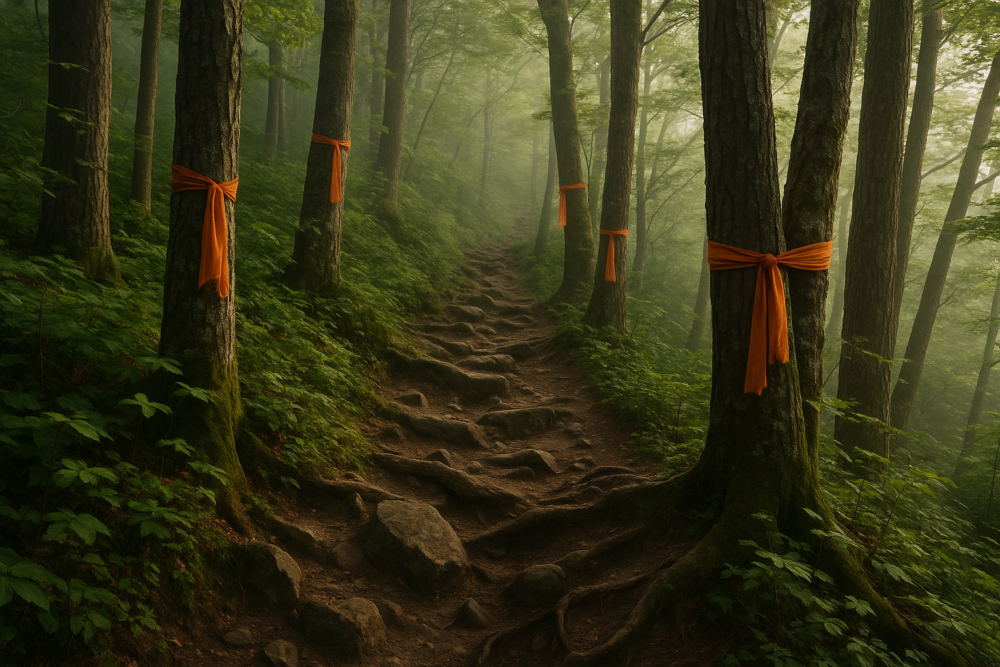
The first surprise is how fast Chiang Mai fades behind you. On the Monk’s Trail below Doi Suthep, the city hum drops away under cicadas and the soft scrape of shoes on red dirt. You pass Wat Pha Lat under filtered light, then the air turns cooler where the trees hold the slope.
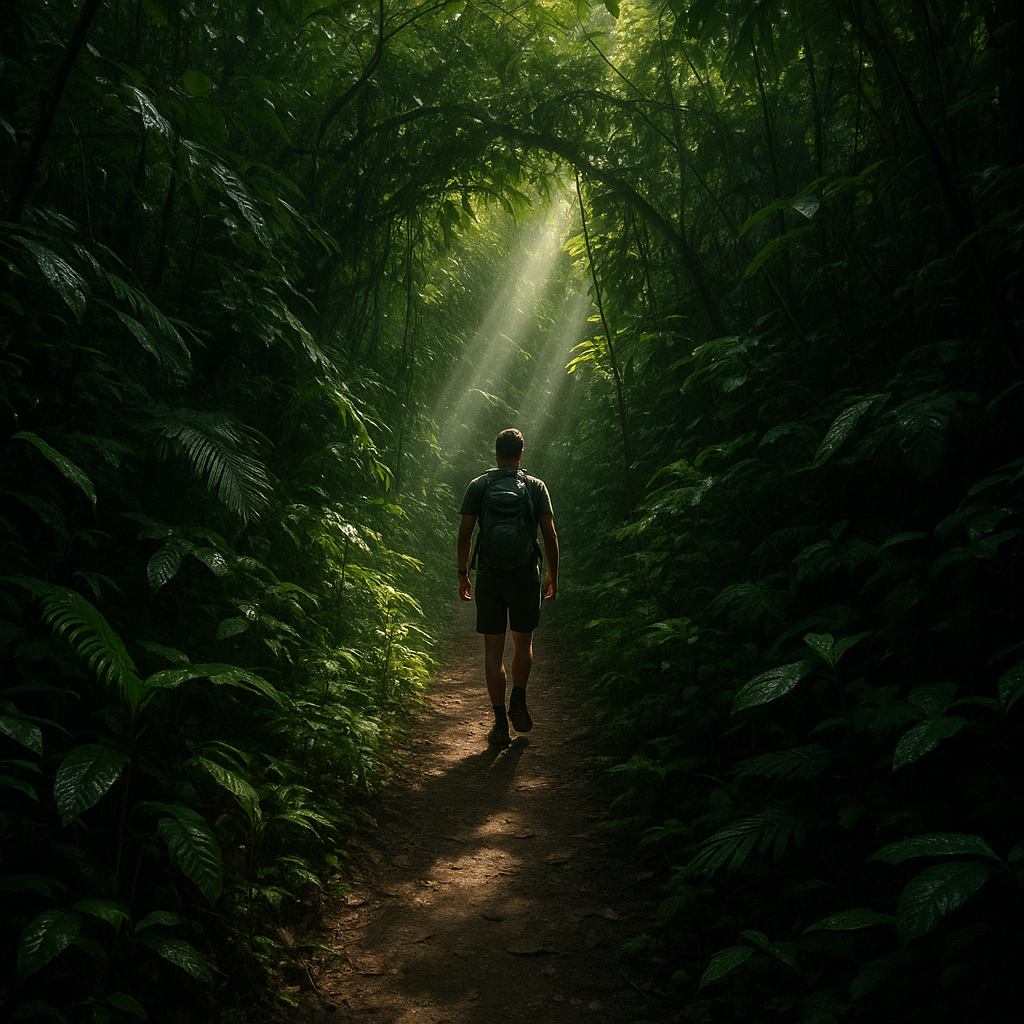
On bigger mountain routes, the jungle has more weight to it. You smell leaf mould, ginger, and smoke from a kitchen fire in a village above the ridge. In green season, your socks may stay damp for hours, and leeches may join the walk without asking.
If you want a broad overview of route styles and areas, read The Best Hikes And Treks In The Chiang Mai Area. It helps you sort a short forest walk from a proper mountain day.
2. The Best Route Depends On Your Legs And The Month
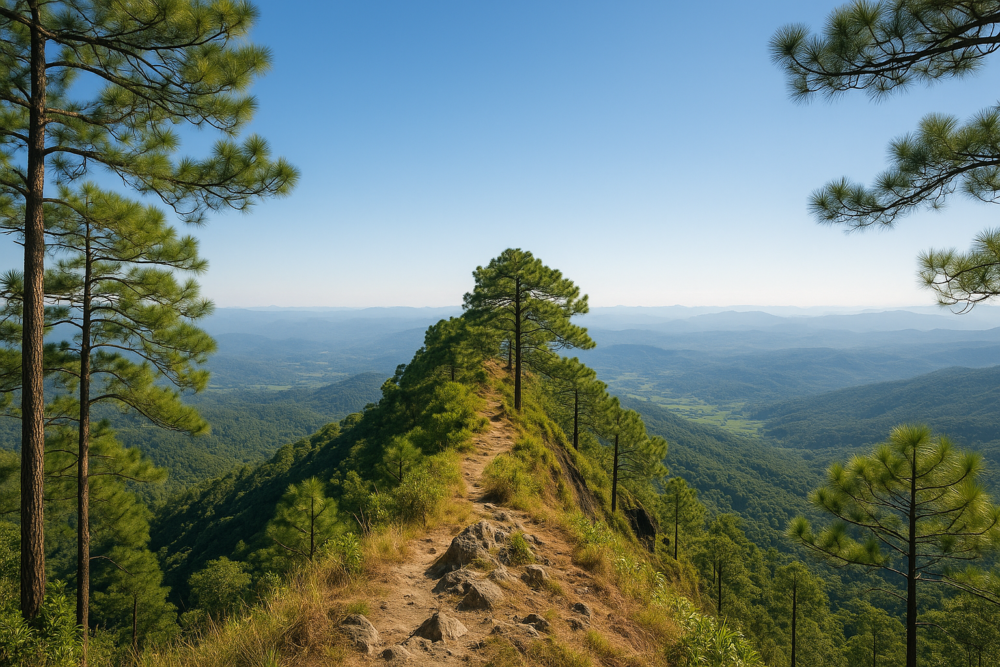
November to February gives the coolest conditions and the easiest planning. Mornings can feel crisp on higher ground near Doi Inthanon and Chiang Dao, and the light in October and November is often the clearest you will see all year. Those months also keep the hills green after rain.
March to May brings heat. It can hit hard by late morning, especially on exposed climbs near Samoeng or the Mae Taeng valley. February to April can also bring smoke in northern Thailand, so strong route knowledge matters.
June to October turns the hills rich and wet. Streams run fuller, rice grows bright around villages, and the trail can be slick. If you want a deeper season guide, TMT covers it in Sporting Holidays In Thailand Climate And Seasons.
3. Guided Treks Matter More Here Than Many Visitors Expect
Some Chiang Mai walks are simple. You can reach Wat Pha Lat, Huay Tueng Tao, Mae Kampong, or Bua Tong sticky waterfalls without much mountain judgment. A real jungle route is different once paths split in old fields, cloud drops over a ridge, or rain turns a descent into polished clay.
TMT built its reputation by learning the old paths in detail, then linking them into routes that make sense for hikers and runners. That matters on the long ground between Chiang Mai and Chiang Dao, where TMT01 uses old footpaths rather than random roads and guesswork.
If you are weighing freedom against local knowledge, read Guided Hiking Tours In Chiang Mai Vs Going It Alone. It answers the question with useful honesty.
4. The Hard Parts Are Real And They Do Not Ruin The Day
Heat is the first thing most visitors fear, and with reason. By 11 am in hot season, a steep climb can feel like someone turned the sky closer to your head. Your shirt stays wet, your calves complain, and every bend in the trail looks like it should be the last one.
Then the path enters shade, wind moves across a ridge, and your body settles. A good guide paces the climb, times the breaks, and reads the group before anyone starts grinding themselves into the hill. You do not need to be a mountain racer. You do need steady effort and a realistic plan.
Green season has its own tax. Mud slows you down, shoes get heavy, and leeches appear in the lush sections. They are annoying, not dramatic, and the forest after rain can be worth every glance at your socks.
5. Village Nights Change A Trek More Than Any Viewpoint
A day hike can be excellent. A night in a mountain village stays with you longer. You arrive tired, wash the dust off, sit down to rice, vegetables, a hot dish from the kitchen, and fruit that tastes better after six hours on foot than it ever does in town.
In Karen, Lahu, Hmong, and Lisu communities around the Mae Taeng valley and the hills toward Chiang Dao, the evening is simple and calm. Dogs bark once and settle. Smoke drifts from cooking fires. At first light, you hear people start work before the sun reaches the valley floor.
TMT runs multi day treks with nights in mountain villages because these old paths were made to connect places, not only viewpoints. If that sounds like your kind of trip, see The Multi Day Trek Chiang Mai Regulars Keep Quiet About.
6. Trail Running Opens More Ground In Less Time
If you run trails at home, northern Thailand gives you a huge playground. The climbs around Doi Pui, Samoeng, and Chiang Dao can be sharp, technical, and hot, but they link ridges and valleys fast. You cover more country in a day and feel the shape of the mountains in your legs.
TMT also runs trail running trips for visitors who want support, route planning, and local mountain knowledge. That matters if you want to train around Chiang Mai, explore new terrain, or tie your trip to one of the local mountain events. You can check current Events on the TMT site.
If high ground is part of your plan, Thailand’s Highest Mountains gives useful context for the bigger peaks and parks in this part of the country.
7. The Best Operator Usually Sounds Calm, Not Loud
By the time you book, you want clarity. Where do you walk, how hard is it, what do you carry, who leads the trip, and what happens if weather shifts. Serious mountain companies answer those questions in direct language and do not sell every route to every person.
TMT does that well because the team knows these hills from the ground up. The company started with route research, not marketing copy. You feel the difference when someone explains why Kew Mae Pan suits one kind of day, why Pha Dok Siew suits another, and why a proper village trek belongs in a different part of the map.
For a clear booking checklist, read 7 Signs You Found The Best Trekking Company In Chiang Mai. It will make your comparison much easier.
How To Pick The Right Trek In Chiang Mai
Start with your real goal. Do you want a short forest walk near the city, a long mountain day, a village night, or a running trip that leaves your quads speaking in short sentences the next morning. The right answer saves money and gives you a better day.
- Choose Doi Suthep Or Wat Pha Lat if you want a half day with forest and easy logistics.
- Choose Doi Inthanon if you want cooler air and famous trails such as Kew Mae Pan or Pha Dok Siew.
- Choose Chiang Dao Or The Mae Taeng Valley if you want deeper mountain country and village routes.
- Choose TMT01 if you want the story of the landscape, not a quick loop near town.
What To Ask Before You Book
Ask for the route area, expected walking time, and how much climbing the day includes. Ask what season conditions are like right now, not in a perfect photo from last year. Ask where lunch is, what water support looks like, and whether the pace suits your group.
If you are looking at a private trip, cost matters, but value matters more. You are paying for route design, logistics, mountain judgment, and a guide who knows these paths in all seasons. TMT explains this clearly in What A Private Trekking Guide In Chiang Mai Really Costs.
Plan Your Trek With Thailand Mountain Trail
If you want more than a quick walk with a photo stop, TMT is worth your time. The team knows the old footpaths between Chiang Mai and Chiang Dao better than anyone selling generic treks from a city desk, and they run guided day treks, multi day treks with village nights, and trail running trips across northern Thailand.
Check the TMT trekking and trail running options, then get in touch with the team in Chiang Mai to talk through your dates, fitness, and the season. Group sizes stay small, and nights in mountain villages depend on local hosting and route plans, so early contact helps. The hills will still be steep. You will just be on the right one.