7 Truths About Chiang Mai Trekking Prices
If you are comparing chiang mai trekking prices, you are probably seeing a wide spread. One trek looks cheap, another costs much more, and the photos often tell you very little. In Chiang Mai, the price usually reflects one simple thing: how much real mountain time, route knowledge, and local connection you get for your money.
Thailand Mountain Trail works in a different way from a city tour desk. The team spent years researching old footpaths used by Karen, Lahu, Hmong, and Lisu communities, then built TMT01, the first long distance hiking route in Thailand, from Chiang Mai to Chiang Dao. That work matters when you are climbing a wet ridge at 8 am, or walking into a village at dusk hungry enough to smell dinner before you see the first house.
If you want the short version, cheap treks can be fine for a simple outing close to town. If you want strong guiding, careful route choice, and nights that feel grounded in the mountains rather than rushed through them, price starts to make more sense.
Chiang Mai Trekking Prices Mean Different Things
The phrase chiang mai trekking prices sounds simple, but it hides big differences. A half day walk on Doi Suthep is not the same product as a multi day route through the Mae Taeng valley or a village to village section of TMT01. One is transport and a guide. The other may include mountain logistics, meals, local support, and route work that took years to build.
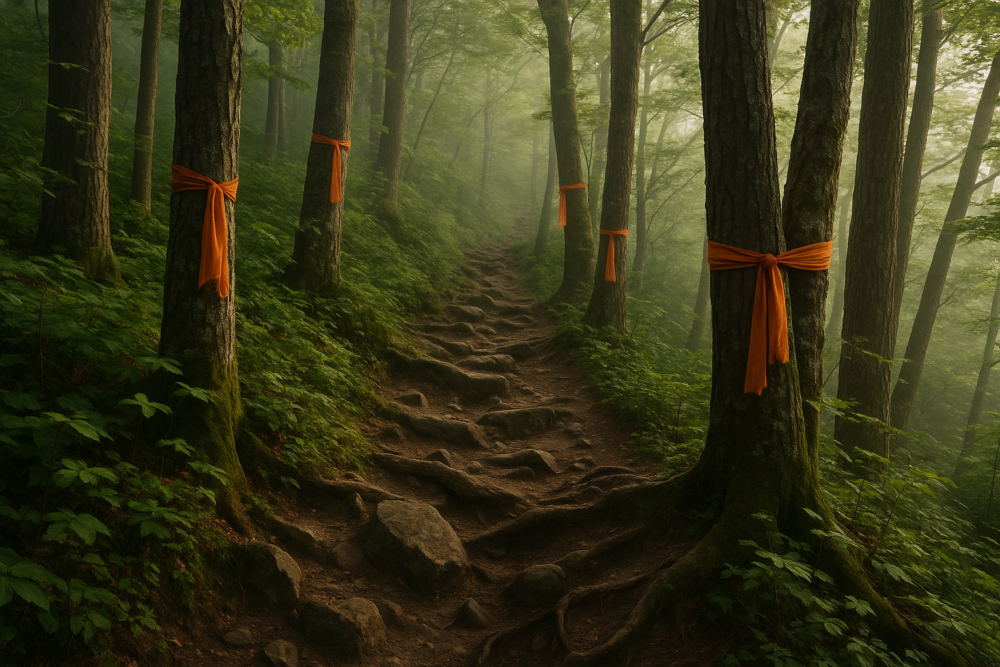
You can feel that difference on the trail. On the Monk’s Trail to Wat Pha Lat, you hear the city fade under bird calls and temple bells, then you are back for lunch. On a longer trek near Chiang Dao, you smell wet bamboo, wood smoke, and crushed ginger leaf under your shoes, and your legs know by late afternoon that this was never a short sightseeing walk.
What Usually Drives The Cost
When you compare operators, look at what is included rather than the headline figure. A lower price can still be fair if the route is short and simple. A higher price can also be fair if the guiding is strong and the day is built well.
- Guide quality and real mountain experience
- Route access and time spent off the standard tourist loop
- Transport to places like Samoeng, Mae Kampong, or Chiang Dao
- Meals and water on long days
- Village stays and local hosting on overnight trips
- Group size and how personal the day feels
TMT focuses on routes that people do not find on a casual search. If you read 7 Signs You Found the Best Trekking Company in Chiang Mai, you will see why route knowledge and honest planning matter far more than a low number on a booking page.
What A Good Day Trek Should Feel Like
A good day trek from Chiang Mai should feel like a real day in the hills, not a rushed sampler. You leave the city, the air shifts, and by the time you reach forest near Doi Pui or a ridge above Mae Kampong, your phone matters less. The light gets cleaner as the morning moves on, especially after rain in October and November.
For first timers, the best value often comes from a route that matches fitness and season. A cool season walk near Doi Suthep, Huay Tueng Tao, or Samoeng can give you clear views and steady climbing without turning the day into survival. TMT breaks this down well in The Best Day Hike From Chiang Mai for First Timers.
Trail runners should ask the same questions. Surface, climb, heat, and support matter more than distance on paper. A route can look modest and still leave your calves talking back for two days.
Why Multi Day Treks Cost More And Feel Better
The jump from one day to two or more days is usually where people hesitate. It is also where many people stop comparing only price and start asking what they will remember in ten years. A night in a mountain village changes the pace of the trip in the best way.
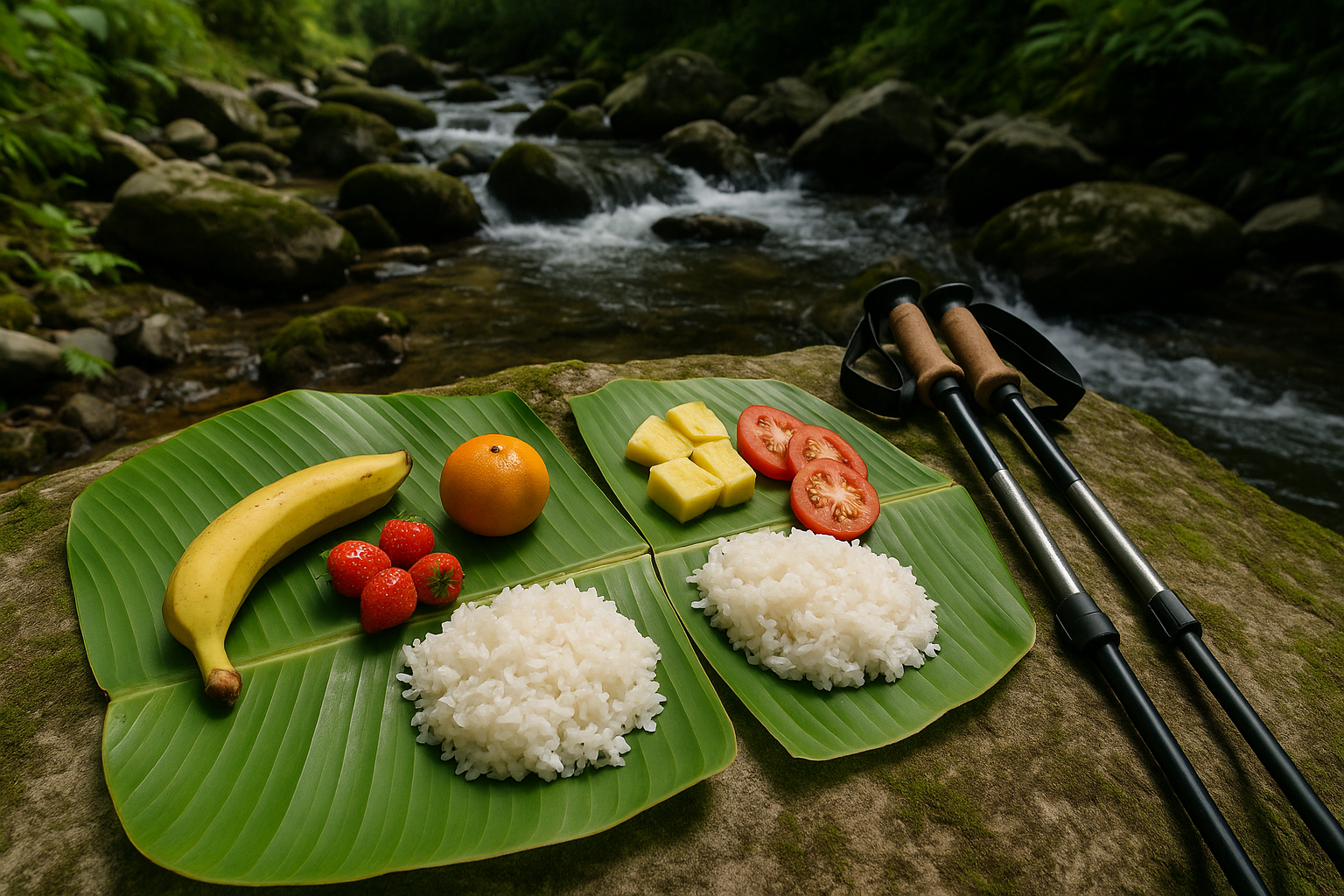
You arrive tired, wash dust from your face, and sit down to a simple dinner while the hills go dark around the house. You may eat rice, vegetables, chilli, eggs, soup, and fruit, with the smell of the cooking fire still in your clothes. That is why readers looking at Homestay Trekking in Chiang Mai What the Nights Are Like often end up changing their plans.
TMT has built routes where those nights are part of the mountain journey, not an add on. The company also keeps a clear line on ethics and respect for local communities, which you can see in Ethical Hill Tribe Trek Chiang Mai Travellers Can Book.
Honest Questions About Heat Fitness And Safety
Chiang Mai mountains are friendly in cool season and hard in hot season. From November to February, many routes feel crisp in the morning and pleasant through the day. March to May can be very hot, and smoke can affect northern Thailand roughly from February to April.
June to October brings green hills, wet earth, and leeches on some routes. Leeches are annoying, not dramatic, and guides who know the ground will tell you what to wear and where they are likely to show up. After rain, the forest smells rich and dark, and the light through the leaves near Pha Dok Siew or Doi Inthanon can make you stop walking just to look up.
Fitness matters, but so does pacing. A fit road runner can struggle on steep jungle trail. An active family or steady hiker can do well if the route is chosen properly and the guide reads the group early.
If you are unsure about guided trips versus walking alone, read Guided Hiking Tours in Chiang Mai Vs Going It Alone. In these hills, local knowledge is not a luxury. It is how you avoid the wrong turn, the wrong season choice, or the day that is two hours longer than you expected.
The Real Value Of TMT01
TMT01 changed what trekking in northern Thailand can mean. Instead of a short loop sold from town, it connects Chiang Mai to Chiang Dao on old mountain paths that carried people long before modern roads did. That kind of route does not appear by accident.
You feel it on the ground. One morning you may start under low cloud near the outskirts of Chiang Mai, climb through farm edges and forest, then later look north as the mass of Doi Luang Chiang Dao rises out of haze and distance. It gives your walking a shape. Each day leads somewhere.
If that idea grabs you, start with Thailand Has a Long Distance Hiking Trail Nobody Knows and then look at 5 Days on Foot From Chiang Mai to Chiang Dao. Both explain why a route built with care costs more than a generic day out and why many hikers think it is money well spent.
How To Compare Trek Prices Without Guessing
Ask direct questions. Good operators answer them clearly and without sales fog. You do not need a spreadsheet. You need the right details.
- Which mountain or valley will we walk in?
- How long will we spend on foot?
- How steep is the route and what fitness suits it?
- What is included in transport, meals, and water?
- Will we stay in a village or return to town?
- How many people are usually in the group?
If the answers stay vague, keep looking. TMT tends to speak plainly because the mountains do the same. Doi Inthanon in mist feels different from Kew Mae Pan on a clear morning. Mae Taeng valley in green season asks for different legs and expectations than a dry season climb near Chiang Dao.
Book The Trek That Fits Your Time And Legs
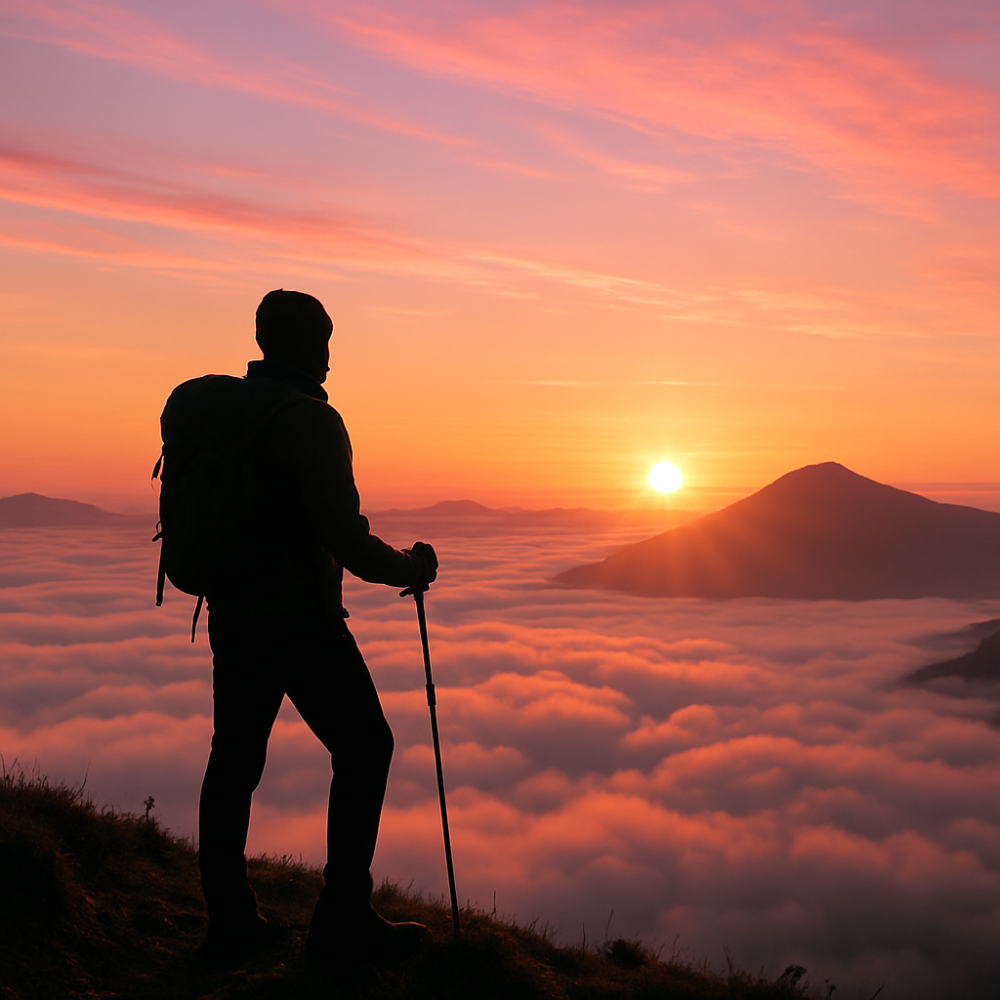
The best choice is rarely the cheapest one. It is the trek that matches your dates, season, fitness, and the kind of memory you want to carry home. Some people want a sharp sunrise climb above Chiang Mai. Some want several days on foot with village nights and the long line of hills pulling them north.
TMT runs guided day treks, multi day treks, and trail running trips built by people who know these mountains in rain, heat, and cool clear light. Group sizes stay small, and nights in mountain villages depend on local hosting and available dates. If you are planning Chiang Mai now, check the trekking and running trips, then get in touch with the team in Chiang Mai to talk through your plans before the best dates fill.